For years, synthetic fabrics have dominated our wardrobes, causing environmental and health issues. Now, with the growing trends and awareness, natural fabrics are in high demand. Natural fibers are from plants and animals that are very gentle on the skin. These fibers were used in the fabrics long before synthetic fabrics like polyester and nylon came along. Now that the switch is happening again, choose natural fibers for the right reason. In this article, we are going to list those reasons for choosing natural fibres in Madhusudan Textiles productions.
Types of Natural Fibres
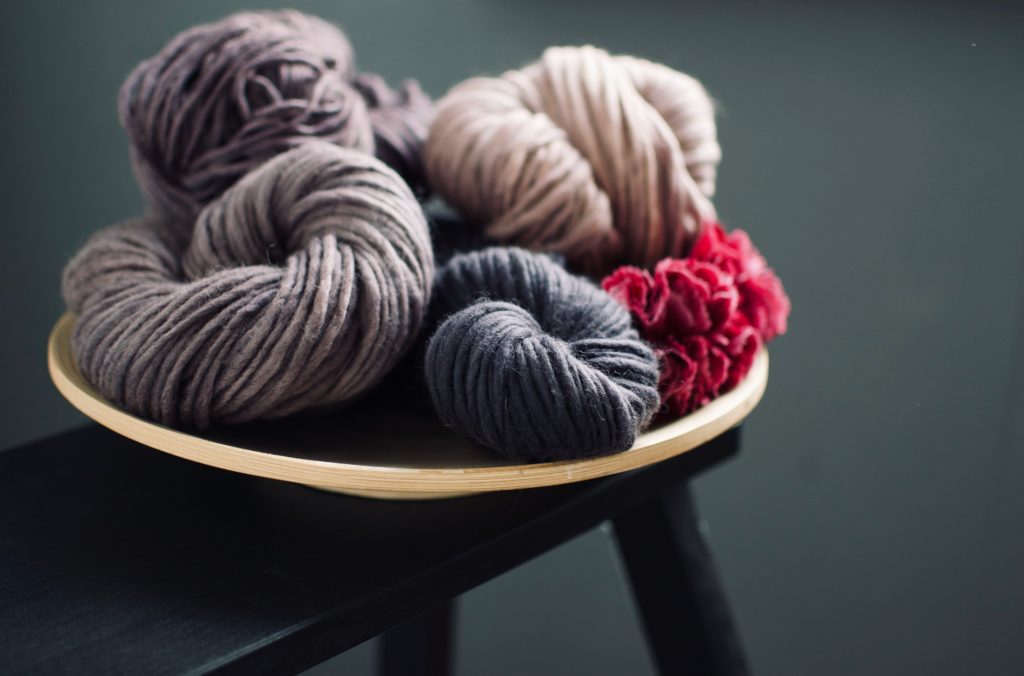
Beyond cotton, there are other natural fibers in the market.
- Animal-Based: Wool, silk, cashmere.
- Plant-Based: Cotton, linen, hemp, bamboo.
Each of these fibers is preferred for its unique qualities, texture, and functionalities. These fibers are processed minimally compared to synthetic alternatives.
For Environmental Sustainability
There are some alarming environmental impacts due to the production of synthetic fibres, over the years.
- Non-renewable resource: Fossil fuels are used to make synthetic fibers, which contributes to a large number of climatic changes.
- Microplastic pollution: Tiny plastic fibers are shed during laundry, polluting water bodies and harming marine life. It is said that 35% of microplastic pollution is caused by synthetic fiber manufacturing, as a single load of laundry releases millions of microfibres.
- Landfill burden: All the synthetic production and dyeing wastes have been dumped on the land, and it would take a hundred years to decompose.
- Energy Waste: In nylon production, a large amount of energy and water are used, and the emission of greenhouse gases is left unmonitored.
On the other hand, the advantages of natural fibers are,
- Renewable resources: As fibers are naturally sourced, they renew naturally.
- Biodegradable: Unlike, natural fibers readily decompose, so no landfill waste.
- Minimal environmental impact: Processing natural fibers requires less water, energy, and chemicals compared to synthetic fibers.
For Health and Comfort
Choosing natural fibers for health and well-being. Natural fibers solve a few issues that persist when wearing synthetic fibers.
- Breathable and moist-wick properties: This is one of the primary reasons for choosing natural fiber clothing. Cotton and linen allow free airflow to circulate, keeping us cool in hot weather. Wool has insulating properties that can wick moisture away, a preferred fiber for both summer and winter garments.
- Allergies and Skin Sensitivities: Skin sensitivity has always been an issue with synthetic fibers due to the use of harsh chemicals and dyes. Natural fibers are hypoallergenic and gentle on the skin, reducing the risk of eczema or dermatitis.
For Fashion and Trends
Natural fiber clothing was once called and cast away as “old-fashioned.” Then came the synthetic fiber clothing along with numerous ill effects. And now we are back to natural fibers for their goodness, setting new trends. From luxurious silk dresses to chic linen pantsuits, natural fibers clothing comes with versatility, superior comfort, quality, and sustainable appeal. The Millennials and Gen Z generation, in particular, drove this sudden shift in sustainable and ethical fashion choices, making natural fiber a preferred material by top designers and brands.
For Economic Consideration
Natural fibers are not only good for health but also economic growth.
- Cost-effectiveness: Natural fibers are very durable and resistant to wear and tear. With proper care, it can last for years, making them a better one-time investment in clothing. A cost-effective choice for the long run. Also, the market is growing for sustainable clothing, leading to low production costs and more competitive pricing.
- Market Growth and Investment Opportunities: With growing demand, the natural fiber clothing market is expected to reach over USD 500 billion by 2028 and even more in the coming years. This opens some investment opportunities for different businesses in production, processing, and distribution.
For Ethical and Social Impact
- Labor Practices: The textile industry is always criticized for unethical laboring and practices, but with sustainable textile manufacturing the narrative is changed. The word “sustainable” is not just for making clothes but also for bringing ethical laboring practices, fair wages, and safe working conditions.
- Fair Trade Initiatives: With ethical practices and choosing organic clothing, a well-developed community is formed. Encouraging local businesses and fair compensation will lead to fair trading and sustainable livelihood.
For Developing Innovations
The idea of sustainable fibers also encouraged many technological developments. Closed-loop production, sustainable yarning and weaving innovations, biodegradable alternatives, bio-dyes, water and waste management, and many more innovations aid in the eco-friendly textile project’s success.
Now, you know the shift in the trend did not just happen overnight. After carefully analyzing the benefits for the environment, our health, and even for textile manufacturers, natural fibers are adopted in making sustainable clothes. Remember, when you decide to buy natural fiber clothing, you are also advocating sustainability for the planet, yourself, and your community.
Madhusudan Textile has already decided to fill up everyone’s wardrobe with sustainable clothes. Their innovations, manufacturing processes, and even marketing decisions contribute to a future where clothing is not just for styling but also for the welfare of the environment and the people in it.
Madhusudan Textile has many more fascinating ideas in the field of sustainability, Contact us to know more.