In the global textile industry, viscose yarn has earned its reputation as one of the most versatile and widely used regenerated cellulosic fibers. Known for its silk-like luster, excellent drape, and breathability, viscose yarn bridges the gap between natural fibers like cotton and synthetic fibers like polyester. Whether you are a garment manufacturer, a home textile brand, or a fashion designer, partnering with an experienced viscose yarn manufacturer is the single most important decision that determines the quality, consistency, and cost-effectiveness of your final product.
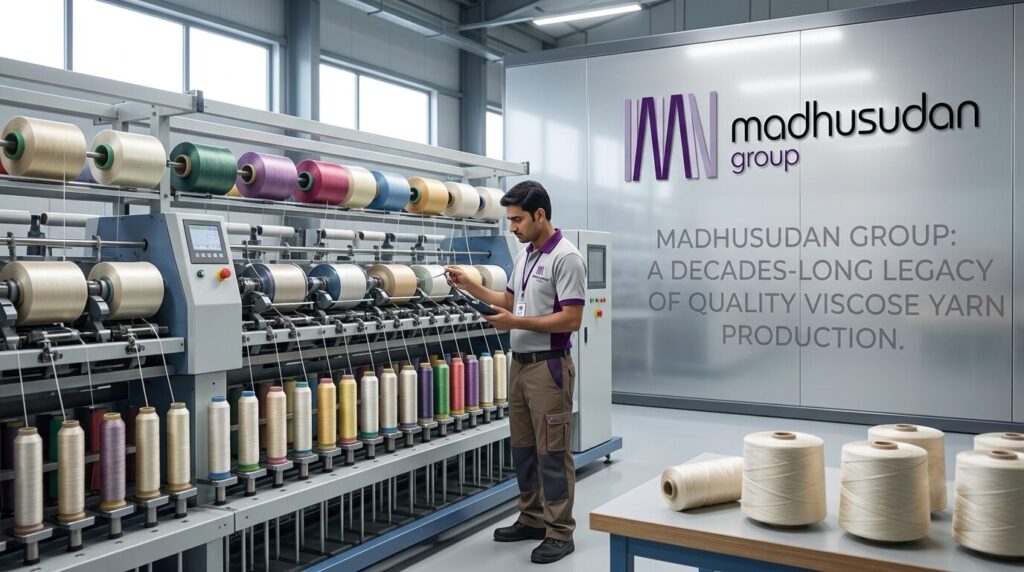
Madhusudan Group, headquartered in Surat, Gujarat, is a vertically integrated textile manufacturer with decades of experience spanning yarn production, yarn dyeing, weaving, and fabric processing. As a trusted name in India’s textile hub, Madhusudan Group brings the infrastructure, technical expertise, and quality discipline needed to deliver consistent, high-performance viscose yarn to apparel and home textile brands across domestic and international markets.
This comprehensive guide explores everything you need to know about viscose yarn its manufacturing process, benefits, applications, and how Madhusudan Group can be the right sourcing partner for your business needs.
What is Viscose Yarn?
Viscose yarn is a man-made yarn derived from natural cellulose, typically sourced from wood pulp (bamboo, eucalyptus, or beech trees). Unlike purely synthetic yarns such as polyester or nylon, viscose is classified as a “regenerated fiber” because it starts from a natural raw material that is chemically processed and regenerated into continuous filaments or staple fibers.
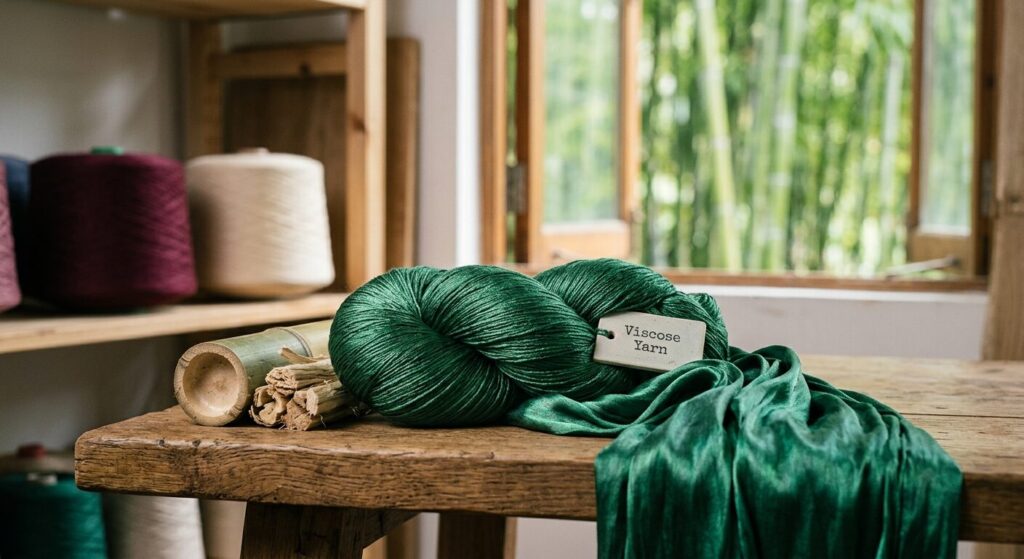
The result is a yarn that combines the softness and comfort of natural fibers with the strength, uniformity, and dye affinity of manufactured fibers. This unique combination is why viscose yarn is often referred to as “artificial silk” it offers a similar sheen and fluid drape to silk at a fraction of the cost.
The Viscose Yarn Manufacturing Process
Understanding how a professional viscose yarn manufacturer like Madhusudan Group produces yarn helps buyers appreciate the quality control checkpoints involved. The process generally includes the following stages:
1. Pulp Preparation
Wood pulp is treated with caustic soda (sodium hydroxide) to produce alkali cellulose, which is then aged to reduce the polymer chain length to the desired viscosity.
2. Xanthation
The alkali cellulose is treated with carbon disulfide to form cellulose xanthate, which is then dissolved in dilute caustic soda to create a viscous, honey-like solution hence the name “viscose.”
3. Spinning
The viscose solution is extruded through spinnerets into a bath of sulfuric acid and other chemicals, where it regenerates into solid cellulose filaments. This is the step that determines whether the final product will be a filament yarn or, after cutting, a staple fiber that is later spun into spun viscose yarn.
4. Washing, Bleaching, and Drying
The regenerated filaments are washed to remove residual chemicals, bleached for uniform whiteness, and dried under controlled tension to maintain strength and elasticity.
5. Twisting and Winding
Depending on customer requirements, the yarn is twisted to the desired TPI (twists per inch), doubled if needed, and wound onto cones or bobbins ready for dyeing or direct shipment.
A reliable manufacturer maintains strict quality checks at every stage from denier consistency to tensile strength ensuring the final yarn performs well in downstream processes like weaving, knitting, and dyeing.
Types of Viscose Yarn Offered by Manufacturers
A professional viscose yarn manufacturer typically offers multiple variants to suit different end-use applications:
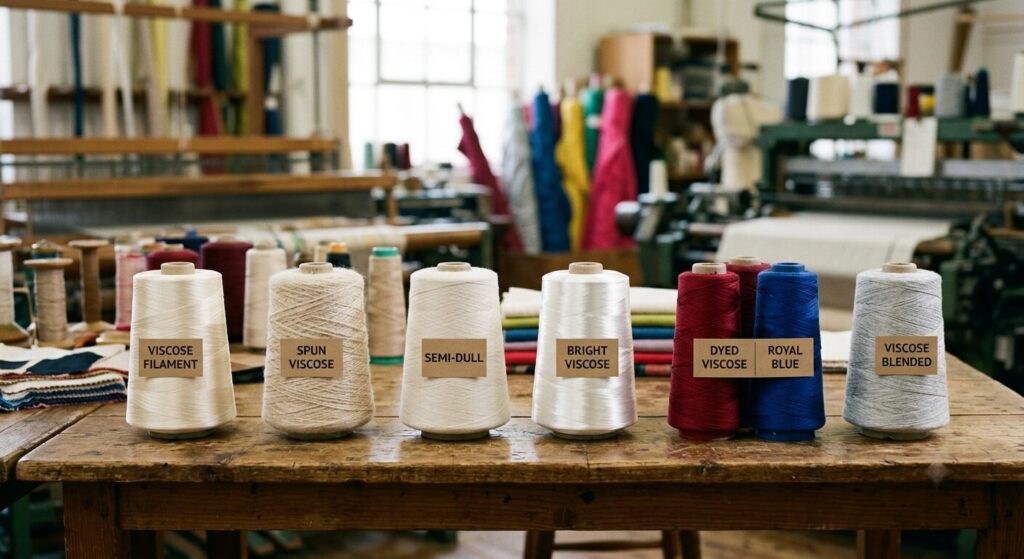
- Viscose Filament Yarn – Continuous, smooth filaments ideal for sarees, linings, and elegant apparel with a silky finish.
- Spun Viscose Yarn – Made from staple fibers, offering a softer, more textured hand-feel suited for knitwear and woven fabrics.
- Semi-Dull Viscose Yarn – Contains a delustering agent (titanium dioxide) for a matte finish, popular in fashion fabrics.
- Bright Viscose Yarn – Retains natural sheen, commonly used for decorative and luxury textiles.
- Dyed Viscose Yarn – Pre-dyed in a wide range of shades for manufacturers who want ready-to-use colored yarn (learn more in our dyed yarn manufacturer guide).
- Viscose Blended Yarn – Blended with cotton, polyester, or stretch yarns to enhance strength, elasticity, or cost-efficiency.
Key Benefits of Viscose Yarn
1. Superior Softness and Comfort
Viscose yarn has a smooth, soft texture that feels gentle against the skin, making it a preferred choice for innerwear, dresses, and summer clothing.
2. Excellent Moisture Absorption
Viscose fibers absorb moisture better than most synthetic fibers, keeping the wearer cool and comfortable — an important quality for warm-climate garments.
3. Silk-Like Drape and Luster
The natural sheen and fluid drape of viscose yarn make it an affordable substitute for silk in sarees, scarves, and evening wear.
4. High Dye Affinity
Viscose yarn absorbs dyes exceptionally well, resulting in vibrant, long-lasting colors a major reason brands prefer working with an experienced dyed yarn partner.
5. Biodegradability
Since viscose originates from natural cellulose, it is biodegradable, making it a more sustainable choice compared to fully synthetic alternatives.
6. Versatility Across Applications
From apparel to home furnishings, viscose yarn’s adaptability makes it suitable for a wide range of woven and knitted fabrics.
Applications of Viscose Yarn
- Apparel: Dresses, blouses, sarees, linings, and casual wear
- Home Textiles: Curtains, upholstery fabric, and decorative textiles
- Knitwear: Sweaters, cardigans, and soft knitted garments
- Blended Fabrics: Combined with cotton, linen, or spandex for enhanced performance
- Fashion Accessories: Scarves, shawls, and stoles
How to Choose the Right Viscose Yarn Manufacturer
Selecting a dependable viscose yarn manufacturer is critical to ensuring consistent fabric quality and timely production schedules. Here are the key factors to evaluate:
1. Manufacturing Capacity and Infrastructure
Check whether the manufacturer has modern spinning and dyeing infrastructure capable of handling both small trial orders and bulk production runs.
2. Quality Certifications
Look for certifications such as OEKO-TEX Standard 100, ISO 9001, or GOTS (for sustainable production), which indicate adherence to international quality and safety standards.
3. Range of Counts and Deniers
A good manufacturer should offer a wide range of yarn counts (Ne) and deniers to suit different fabric weights, from lightweight chiffons to heavier suiting fabrics.
4. Dyeing and Color Matching Capability
Since color consistency is critical for fashion brands, ensure the manufacturer has an in-house dyeing unit with reliable lab-dip and shade-matching processes.
5. Minimum Order Quantity (MOQ) Flexibility
Depending on your business size, check if the manufacturer can accommodate both small startup orders and large-scale industrial requirements.
6. Sustainability Practices
With increasing demand for eco-conscious textiles, many buyers now prefer manufacturers using sustainably sourced wood pulp and closed-loop production systems, such as those following the Lyocell and viscose production guidelines outlined by industry sustainability bodies.
7. Testing and Quality Assurance
Reputable manufacturers conduct rigorous testing for tensile strength, elongation, colorfastness, and shrinkage before dispatch, ensuring the yarn performs reliably in your production line.
Viscose Yarn vs. Other Yarns: A Quick Comparison
| Property | Viscose Yarn | Cotton Yarn | Polyester Yarn |
| Origin | Regenerated cellulose | Natural fiber | Synthetic |
| Softness | High | High | Moderate |
| Moisture Absorption | Excellent | Excellent | Poor |
| Drape | Silk-like | Moderate | Stiff |
| Cost | Moderate | Moderate-High | Low |
| Biodegradability | Yes | Yes | No |
If your production requires added elasticity, you may also consider blending viscose with a stretch yarn manufacturer’s product range, or pairing it with natural fibers from a linen yarn manufacturer for breathable, textured fabrics.
Why Choose Madhusudan Group as Your Viscose Yarn Manufacturer
Madhusudan Group is a vertically integrated textile manufacturer based in Surat and Palsana, Gujarat one of India’s largest textile manufacturing hubs. Here’s what sets Madhusudan Group apart as a viscose yarn sourcing partner:
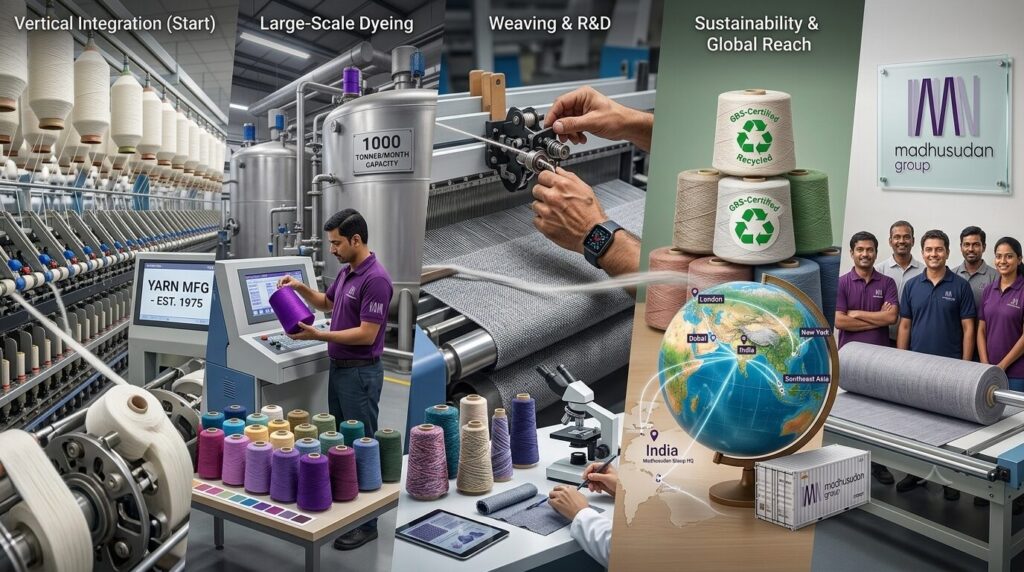
- Vertically Integrated Operations: From yarn manufacturing and yarn dyeing to weaving and fabric processing, Madhusudan Group controls every stage of production, ensuring tighter quality control and shorter lead times.
- Large-Scale Dyeing Capacity: With a yarn dyeing capacity of approximately 1000 tonnes per month, Madhusudan Group can deliver consistent, accurately shade-matched dyed viscose yarn even for large bulk orders.
- Decades of Textile Expertise: Established in 1975 and continuously expanded since, Madhusudan Group brings over four decades of textile manufacturing experience to every order.
- Global Reach: Madhusudan Group exports to markets across the Middle East, Southeast Asia, Europe, and the Americas, with marketing offices supporting international buyers.
- Sustainability Focus: Madhusudan Group has invested in GRS-certified recycled yarn production and continues to innovate toward more sustainable fiber solutions, aligning with the growing demand for responsibly produced viscose yarn.
- In-House R&D: A dedicated innovation team continually develops specialty yarn variants including fancy, slub, and twisted effects giving brands more creative flexibility.
Frequently Asked Questions
Q1: Is viscose yarn suitable for summer clothing?
Yes, viscose yarn’s high moisture absorption and breathability make it an excellent choice for warm-weather garments.
Q2: What is the difference between viscose and rayon yarn?
Viscose is technically a type of rayon; the term “viscose” refers to the specific manufacturing process used to regenerate the cellulose fiber. Most commercially available rayon yarn today is produced using the viscose process.
Q3: Can viscose yarn be blended with other fibers?
Yes, viscose yarn blends well with cotton, polyester, linen, and stretch yarns to enhance strength, texture, and functional performance.
Q4: How is viscose yarn different from cotton yarn?
While both are soft and breathable, viscose has a more silk-like drape and sheen, whereas cotton has a matte, natural texture and slightly higher durability.
Q5: What certifications should I look for in a viscose yarn manufacturer?
Look for OEKO-TEX Standard 100, ISO 9001, and GOTS certifications to ensure quality, safety, and sustainability compliance.
Conclusion
Partnering with an experienced and quality-focused viscose yarn manufacturer ensures your business receives consistent, high-performance yarn that meets both aesthetic and functional requirements. From soft, silk-like filament yarns to versatile spun and dyed varieties, viscose yarn continues to be a top choice for apparel and home textile brands worldwide and Madhusudan Group’s vertically integrated infrastructure in Surat, Gujarat makes it a dependable partner for brands of every size.
If you’re ready to source premium viscose yarn for your next production run, contact Madhusudan Group for a customized quote, or explore our full range of yarns including linen yarn, dyed yarn, and stretch yarn to find the perfect fit for your fabric requirements.