The textile industry stands at a crossroads. On one side lies traditional mass production — resource-heavy, pollutive, and waste-generating. On the other side lies an emerging revolution: sustainable textiles powered by the circular economy.
Today, manufacturers, brands, and buyers demand more than aesthetics. They seek responsibility, innovation, and lasting value. Sustainable textiles are no longer a niche; they are the future. And the circular economy isn’t just a buzzword — it’s reshaping how textiles are designed, produced, used, and reimagined.
In this blog, we dive into how sustainable textiles and the circular economy are transforming the fabric of our industry. Whether you are a garment manufacturer, a fashion brand, or a global textile buyer, understanding this shift is crucial to staying competitive.
What Are Sustainable Textiles?
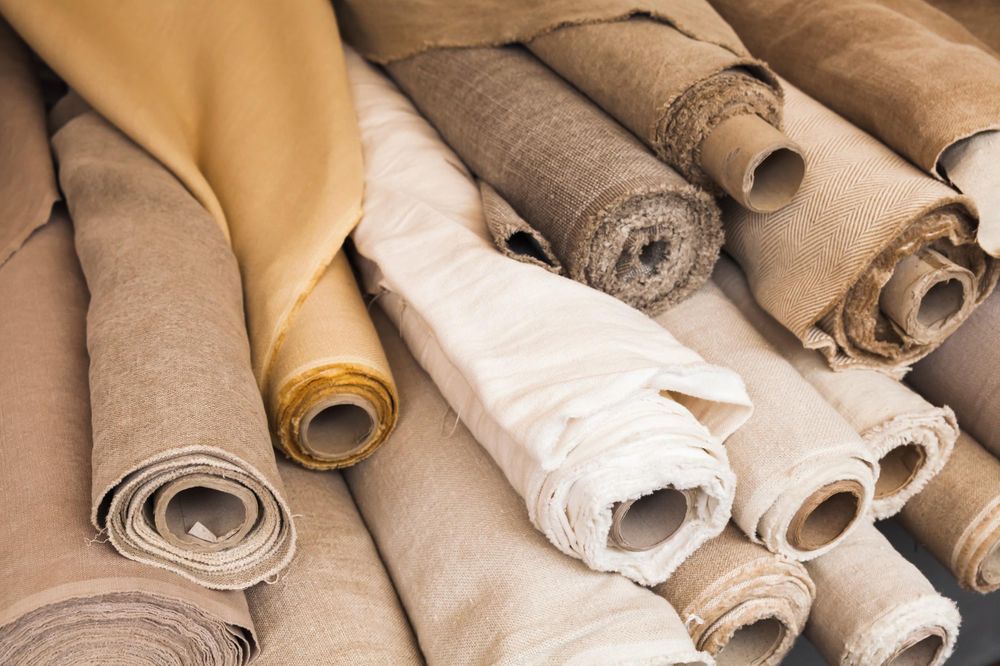
Sustainable textiles are fabrics designed and produced with minimal environmental impact. They prioritize eco-friendly raw materials, energy-efficient manufacturing, waste reduction, and end-of-life recyclability.
Key characteristics of sustainable textiles include:
- Made from organic, recycled, or biodegradable materials
- Produced using low water, low energy, and non-toxic processes
- Designed for durability, repair, and recyclability
- Ethical and transparent sourcing practices
These textiles address the entire lifecycle: from responsible sourcing to mindful disposal or reuse.
The Circular Economy in Textiles: A New Way Forward
The traditional model of ‘take-make-dispose’ no longer works. The circular economy in textiles replaces it with ‘make-use-reuse-recycle.’
Core Principles of Circular Textile Economy
- Design for Longevity: Fabrics built to last longer, reducing the need for frequent replacements.
- Design for Recycling: Materials engineered to be easily disassembled and recycled into new fibers.
- Closed-Loop Systems: Waste is reintegrated into production instead of ending up in landfills.
- Product as a Service: Ownership models shift, encouraging rental or take-back programs.
- Regenerative Production: Focus on restoring ecosystems through responsible sourcing.
In a circular system, a fabric’s life never really ends — it evolves.
Why Sustainable Textiles Matter for the Future
The textile industry is among the world’s largest polluters, responsible for:
- 10% of global carbon emissions
- 20% of global wastewater production
- Nearly 92 million tons of textile waste annually
Sustainable textiles aim to reverse these alarming numbers by focusing on conservation, regeneration, and responsible innovation.
For B2B buyers and manufacturers, investing in sustainable textiles means:
- Meeting stringent regulatory requirements (like EU’s Green Deal)
- Appealing to conscious consumers and corporate buyers
- Gaining competitive advantage through innovation
- Future-proofing the business against resource scarcity
Key Innovations Driving Sustainable Textiles
1. Recycled Fibers
Recycled polyester (rPET) from plastic bottles, recycled cotton from pre/post-consumer waste, and recycled wool are gaining popularity.
Benefits:
- Reduces landfill waste
- Lowers carbon and water footprint compared to virgin materials
Example: Patagonia’s outdoor wear using 100% recycled polyester.
2. Biodegradable and Bio-Based Fibers
Natural fibers like organic cotton, hemp, linen, bamboo, and bioengineered fibers like Piñatex (pineapple leather) are redefining eco-fashion.
Benefits:
- Compostable at the end of life
- Minimal chemical use in farming and processing
Example: Adidas shoes made with bio-based mycelium leather.
3. Waterless Dyeing Technologies
Techniques like supercritical CO2 dyeing and digital pigment printing eliminate or drastically reduce water usage.
Benefits:
- Saves billions of liters of water
- Reduces chemical discharge into ecosystems
Example: DyeCoo’s waterless dyeing machines adopted by major brands.
4. Circular Design and Take-Back Programs
Brands are designing clothes for disassembly and recyclability, offering repair services or take-back initiatives.
Benefits:
- Extends product lifespan
- Reduces raw material demand
Example: Levi’s “Buy Better, Wear Longer” and recycling programs.
Properties of Sustainable Textiles: What Makes Them Special?
| Property | Impact |
| Durability | Longer lifespan reduces waste and consumption |
| Breathability | Enhanced wearer comfort |
| Biodegradability | Decomposes naturally without harming soil |
| Recyclability | Fibers can be reused into new products |
| Chemical Safety | Free from harmful toxins and dyes |
| Energy Efficiency | Reduced energy in production and care |
| Water Conservation | Lower water usage during manufacturing |
| Traceability | Full transparency from farm to fabric |
These properties make sustainable textiles highly attractive for fashion, home, industrial, and technical applications.
Circular Business Models in Action
1. Product Life Extension
- Offering repairs, resale, and refurbishment.
- Example: Eileen Fisher’s Renew program.
2. Resource Recovery
- Extracting fibers or chemicals from used textiles.
- Example: Evrnu’s regenerated fiber made from discarded clothing.
3. Recycling and Upcycling
- Mechanical and chemical recycling into new textiles.
- Example: Renewcell’s Circulose® made from old clothes.
4. Sharing Platforms
- Clothing rentals, sharing marketplaces.
- Example: Rent the Runway, HURR.
Circular models reduce waste, extend material value, and build consumer loyalty.
Challenges and Opportunities Ahead
Challenges
- High cost of sustainable materials vs. conventional fabrics
- Technology gaps in scalable fiber recycling
- Lack of standardized certifications
- Consumer education and adoption rates
Opportunities
- Rising government regulations mandating sustainability
- Growing eco-consciousness among B2B and B2C buyers
- Innovations reducing costs and improving efficiency
- First-mover advantage for brands adopting circularity early
Companies that invest in overcoming these challenges will lead the market in the coming decade.
Case Study: Mestre’s Commitment to Sustainability
Mestre by Madhusudan Group exemplifies sustainable textile innovation. Through products like elastomultiester yarns engineered with a permanent coil crimp structure, Mestre offers:
- Excellent dyeability with good color fastness
- Superior moisture management and breathability
- Light and heat resistance
- Mechanical stretch without spandex
Their focus on recyclable, durable, and performance-enhancing yarns aligns perfectly with global circular economy goals.
Explore our sustainable yarns at mestre.co.in
How B2B Buyers Can Adapt to the Future
Steps to Integrate Sustainable Textiles into Your Supply Chain:
- Audit current textile sourcing and production practices.
- Set clear sustainability goals aligned with circular economy principles.
- Partner with certified sustainable suppliers.
- Prioritize materials with life cycle transparency.
- Educate design teams on circular product development.
- Offer recycling, repair, or rental programs where possible.
Early adaptation will not only enhance your brand reputation but also build resilience against future disruptions.
Conclusion
Sustainable textiles and the circular economy aren’t trends — they are the future. As buyers, manufacturers, and brands, the time to invest in these innovations is now.
Sustainability is no longer optional; it’s a strategic advantage. Circular models are no longer experimental; they’re becoming standard practice. By embracing these shifts today, you position yourself for a stronger, smarter, and greener tomorrow.
Ready to step into the future of textiles?
Explore our sustainable textile solutions today! Contact Madhusudan Group for innovative, quality-driven fabrics designed for the circular economy.